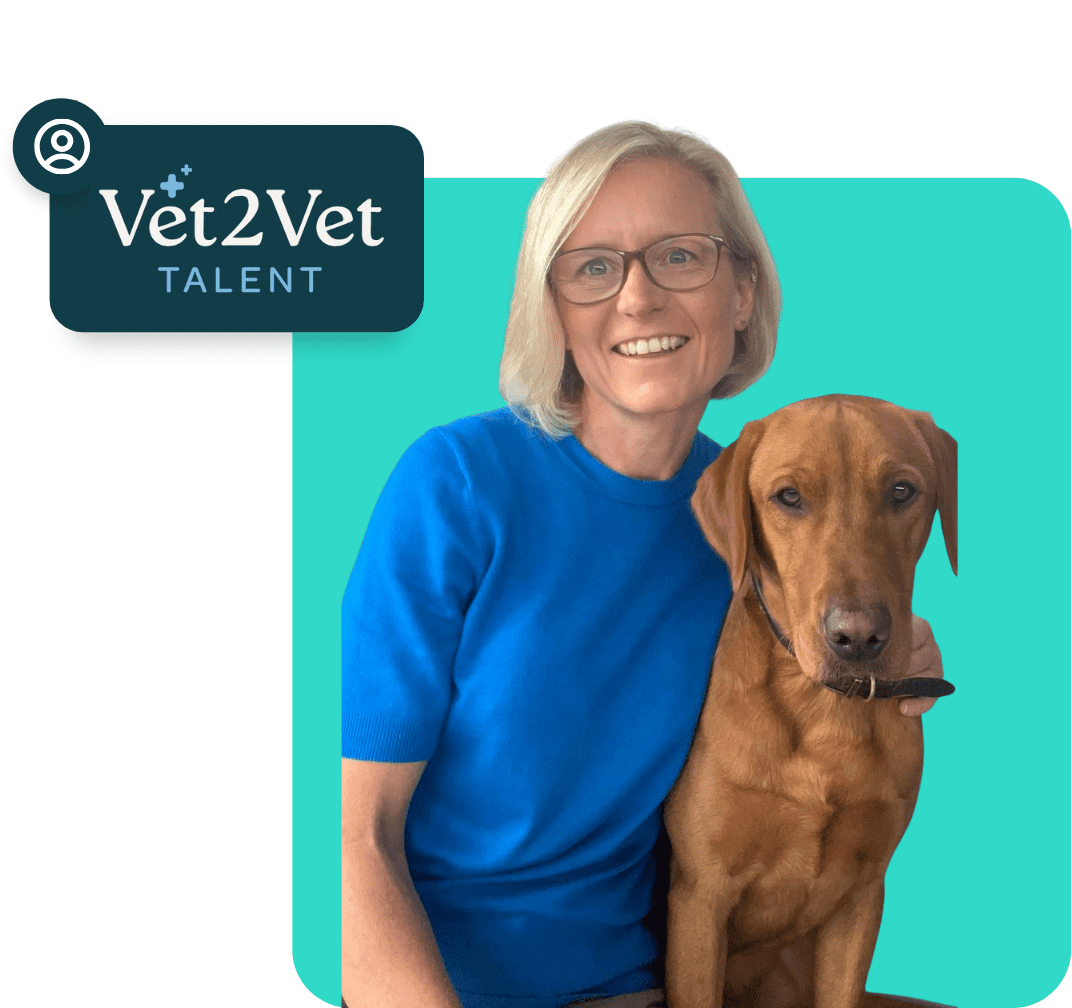
Tea and a Chat with Wendy Hough…
Hi Wendy!
I wonder if you could see a difference in managerial styles between your own practice and those that you became area manager for, and if this taught you anything new?
Even when I was in practice and as a Clinical Director, I was primarily involved with the team and team dynamics, especially building collaborative teams.
Visiting new places, I recognised that it wasn’t that it was anybody’s fault that there were challenges in any of these practices, they had just evolved into organisations with varying amounts of support. They were in wildly different demographic areas, with different challenges, both with the people, and the models that they had. There’s different ways to help these different practices. It’s absolutely not a one size fits all solution, but that’s the beauty of practice.
Could you see a common thread in the challenges that are facing the recruitment and retention issues across the profession?
There are loads of challenges! We’ve had the Brexit challenge, where we’ve lost lots of vets who aren’t working in the UK anymore. There was the whole boom around Covid, where so many people got pets and there was more demand for veterinary services, but the demand in many practices isn’t as great at the moment whilst those Covid puppies and kittens are in a relatively healthy stage of life. As they age, then I believe there’s going to be another peak in demand.
We are training more vets in the UK, so more vets are coming through, but unfortunately, a lot of the more experienced vets have left, potentially prematurely. This means there’s quite a few younger, less experienced vets that have been promoted into leadership roles, but without the support that’s needed for that role. Whilst that can feel like a great achievement for the individual, I think it can become overwhelming quite quickly, and lead to people being really unhappy and potentially even leaving the profession, because they feel that they should be able to cope but they can’t.
Despite this, I genuinely believe that it is starting to get better! I know I can really help practices and individuals find places where they can be happy, and help people understand what their own values and motivations are, so that they can really understand what they want. It should hopefully then be easier for them to find that place, once they know what really motivates them.
How do you think we can help practices build stronger and more cohesive teams?
I think something as basic as communication within teams can really help to improve retention in practices and start generating an environment which is more supportive and collaborative. When people are sharing their issues and struggles, as well as sharing and feeding back when things are going well, it results in a genuine ecosystem where we all support each other.
I know when I’ve been in practice, anytime anybody came to me directly and gave me some genuine specific feedback, not just the empty thankyous, it made such a big difference.
Busyness results in things being dropped, and often the first thing that’s dropped are meetings and one to ones, but I believe they’re absolutely critical. They’re a real win-win. Done well the individual feels heard, they can result in brilliant conversations where team members have great ideas and want to take on more responsibility which can really help the leadership team. Although it’s easy to think, ‘oh, gosh, I can’t take this half an hour out for a meeting’ (clients need appointments!), actually, it’s a really positive thing and you don’t lose out financially. Nobody suffers by doing those meetings.
So let’s talk about PeerVet! What was it that inspired you to start creating courses?
I’d been talking to Leonie at PeerVet about what I was doing with business reviews for practices and talent management, what I wanted to share about my experiences and how I believe I could help individuals and teams. Creating courses with PeerVet seemed like a no brainer, a really sensible thing to do, to document some of my knowledge, so that more people could have access to these ways of helping them. Not everybody is going to be able to access a full practice review, but it might be that they’ve already identified an issue within their practice that I can help with.